
Urological cancers affect the urinary tract and male reproductive system and may involve the kidneys, bladder, prostate, ureters, or testicles. Early diagnosis and appropriate treatment play an important role in improving outcomes and supporting long-term recovery. Timely evaluation of persistent symptoms can help patients better understand their condition and access suitable treatment options.
Patients seeking specialised urological cancer care often look for accurate diagnosis, advanced surgical expertise, and personalised treatment planning. Every treatment approach should be tailored to the patient’s diagnosis, overall health condition, and long-term recovery goals.
These cancers include those of the kidneys, bladder, prostate, testes, and other parts of the urinary tract.
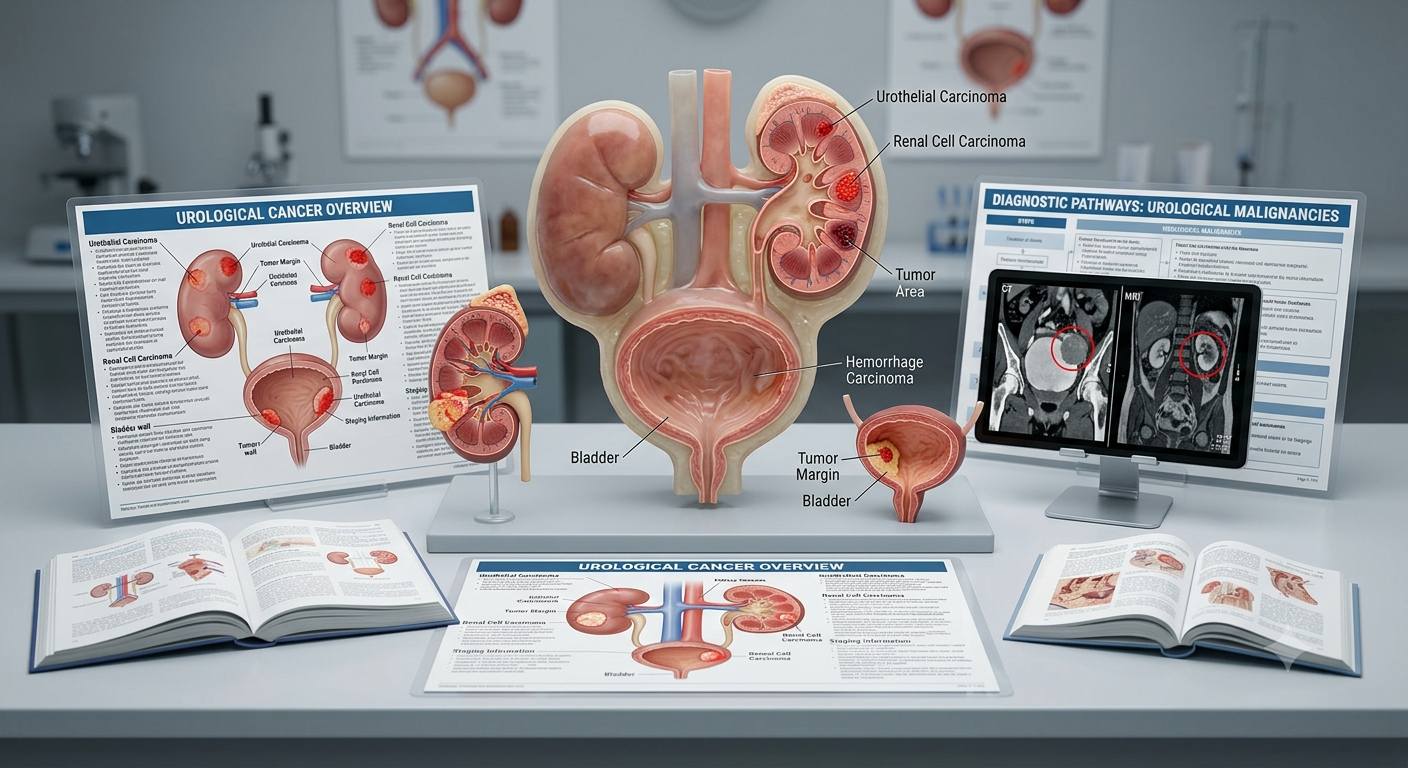
Types of
Urological Cancer
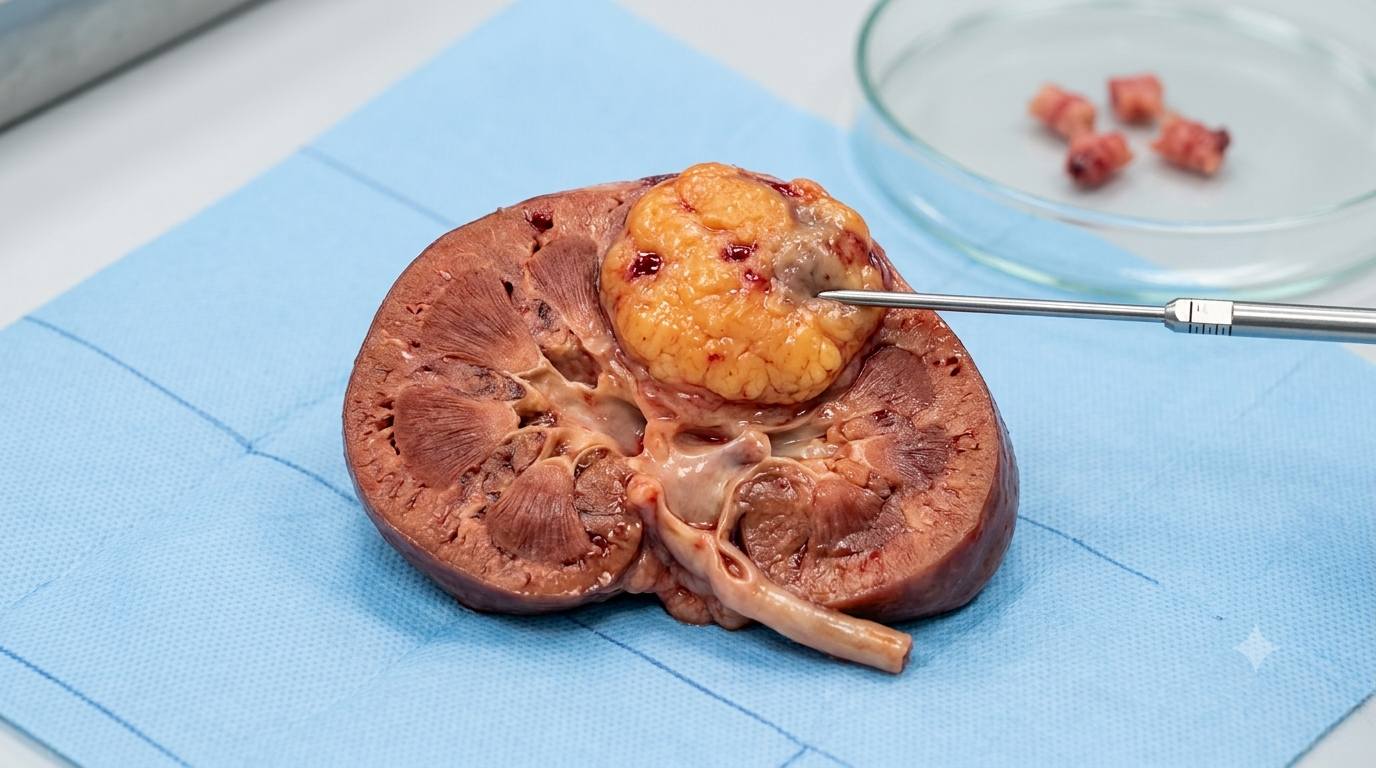
Symptoms
Diagnosis
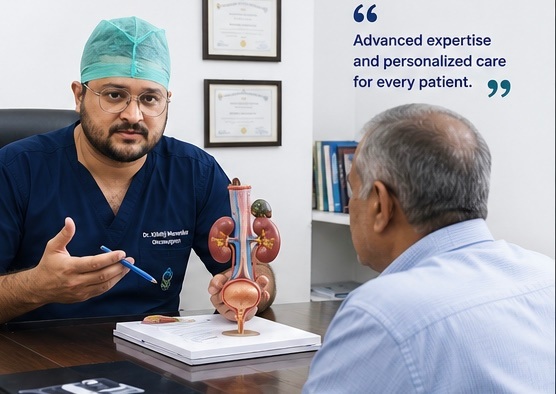
Treatment
Treatment options depend on the type, location, and stage of the cancer, and may include
Endoscopic Inguinal Block Dissection for lymph Node.
Surgery Remains The Mainstay of Treatment for most of Urological Cancer.
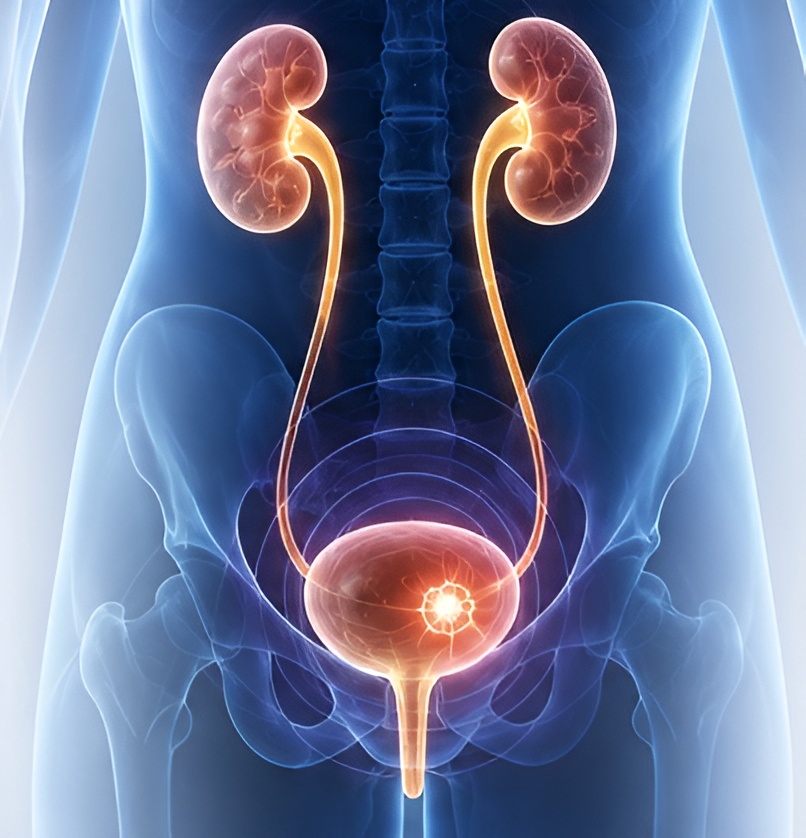
Recovery and Follow-up Care
Recovery continues beyond active treatment and may involve regular follow-up visits, ongoing monitoring, lifestyle guidance, and supportive care. Consistent follow-up helps assess recovery progress, manage any treatment-related concerns, and support long-term health and well-being.
Patients benefit from clear communication and personalised guidance throughout their recovery journey. A structured follow-up plan can help patients stay informed, confident, and supported at every stage of care.