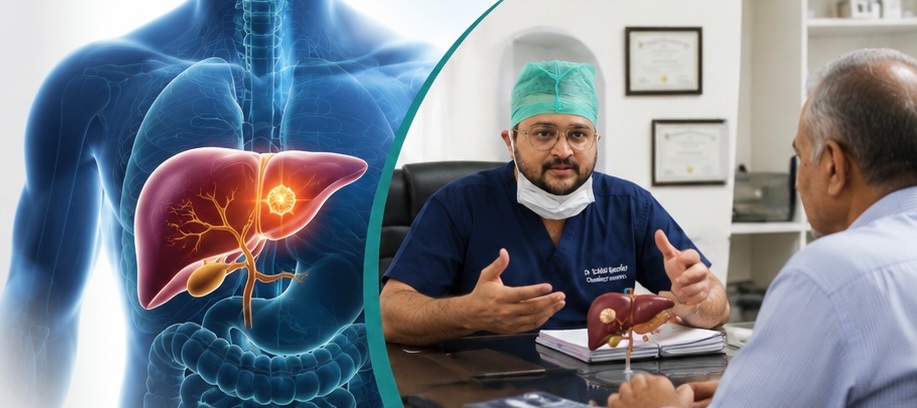
Hepatobiliary cancers affect the liver, gallbladder, bile ducts, and related structures that play an important role in digestion and overall health. These cancers often require specialised evaluation and timely treatment planning to ensure the most appropriate approach for each patient. Early diagnosis can help improve treatment outcomes and support long-term recovery.

Patients seeking a Hepatobiliary Cancer Specialist in Pune often look for advanced surgical expertise, personalised treatment planning, and clear guidance throughout their treatment journey. Every patient requires an individualised approach based on the type of cancer, stage of disease, and overall health condition.
Types of
Hepatobiliary Cancer

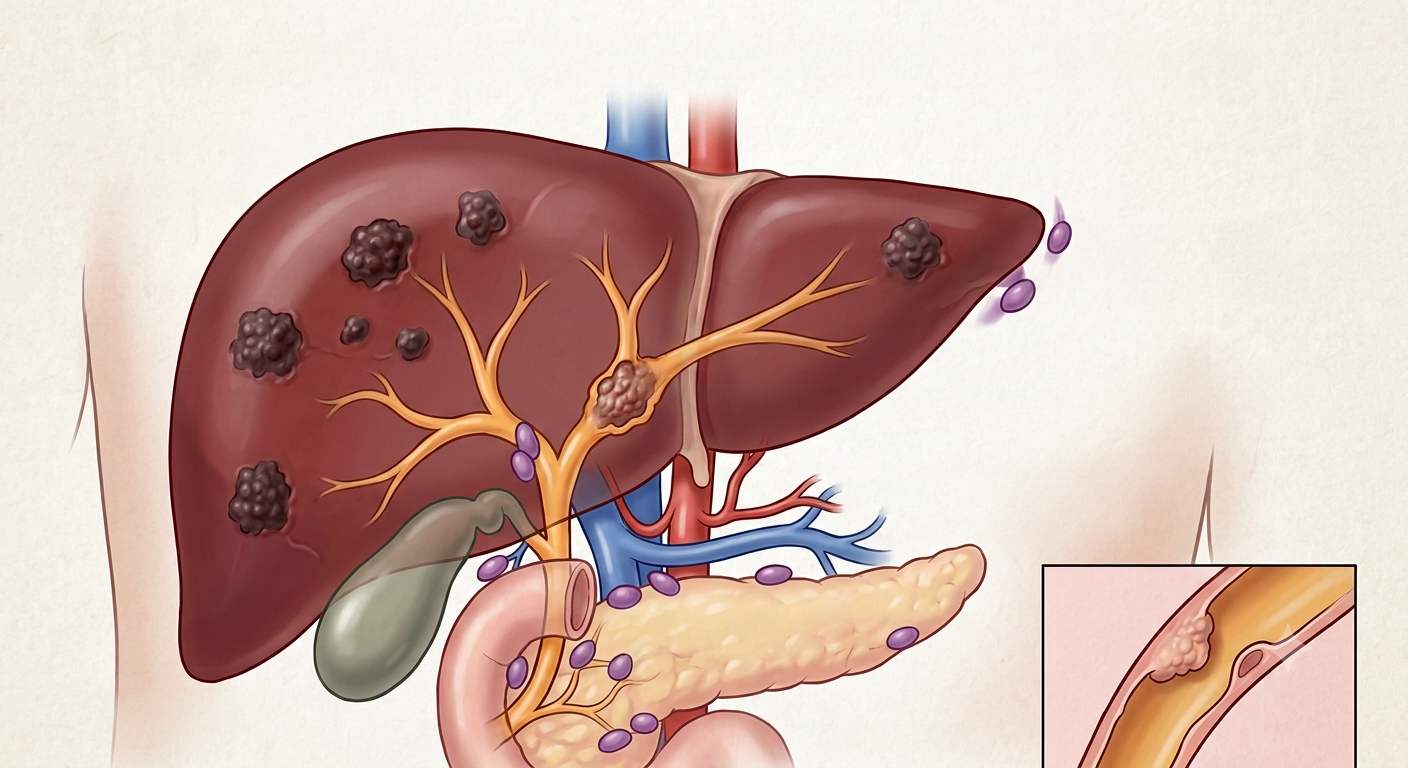
  • Hepatocellular Carcinoma (HCC): The most common type of primary liver cancer, originating in the hepatocytes (the main liver cells).

  • Cholangiocarcinoma (Bile Duct Cancer): Cancer that occurs in the bile ducts, either inside (intrahepatic) or outside (extrahepatic) the liver.

  • Angiosarcoma: A rare cancer that starts in the blood vessels of the liver.

  • Hepatoblastoma: A rare type of liver cancer that typically affects children.

  • A rare cancer that forms in the gallbladder, a small organ that stores bile produced by the liver.
  • This cancer can be classified into intrahepatic (inside the liver) and extrahepatic (outside the liver) forms, affecting the bile ducts that carry bile from the liver to the small intestine.

Risk Factors

Chronic Liver Disease

Conditions like cirrhosis (often due to chronic hepatitis B or C infections, or alcohol abuse) significantly increase the risk of liver cancer.

Non-Alcoholic Fatty Liver Disease (NAFLD)

Associated with obesity and diabetes, NAFLD can lead to liver cancer.

Primary Sclerosing Cholangitis (PSC)

A condition that causes scarring of the bile ducts and increases the risk of bile duct cancer.

Gallstones

Chronic inflammation caused by gallstones can raise the risk of gallbladder cancer.

Genetic Factors

Some genetic disorders like hemochromatosis (iron overload) are linked to a higher risk of liver cancer.

Exposure to Toxins

Aflatoxins (produced by mold on grains and nuts), vinyl chloride, and other environmental toxins have been linked to liver cancer.

Obesity and Diabetes

Both are linked to an increased risk of hepatocellular carcinoma.

Symptoms

Symptoms of hepatobiliary cancers often do not appear until the disease is advanced. When they do occur, they may include

  • Jaundice: Yellowing of the skin and eyes due to bile duct blockage.

  • Abdominal Pain: Often in the upper right side, near the liver or gallbladder.

  • Unexplained Weight Loss: Significant weight loss without trying.

  • Loss of Appetite: A feeling of fullness after eating small amounts.

  • Nausea and Vomiting

  • Fatigue: Persistent tiredness.

  • Dark Urine and Pale Stools: Due to bile flow obstruction.

Diagnosis

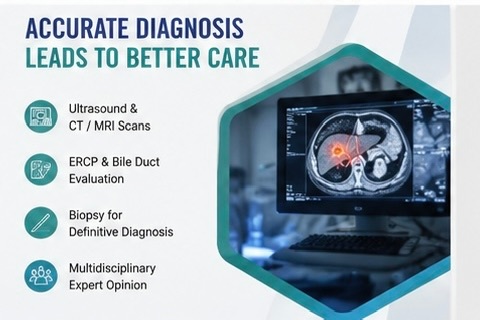
  • Imaging Tests: Ultrasound, CT scans, MRIs, and sometimes PET scans to detect tumors and assess the spread.

  • Biopsy : A sample of tissue taken from the liver, bile ducts, or gallbladder for microscopic examination.

  • Blood Tests: Including liver function tests and tests for tumor markers such as alpha-fetoprotein (AFP), which is often elevated in hepatocellular carcinoma.

  • Endoscopic Retrograde Cholangiopancreatography (ERCP): A procedure to visualize the bile ducts and take tissue samples.

Treatment

It depends on the type and stage of the cancer and may include

Surgery

Laparoscopic/Open Liver Resection

Removing part of the liver containing the tumor.

Laparoscopic/ Open Radical Cholecystectomy

Removal of the gallbladder in cases of gallbladder cancer.

Embolization

Injecting substances to block the blood supply to the tumor (transarterial chemoembolization or radioembolization).

Radiation Therapy

Targeted radiation to kill cancer cells or shrink tumors.

Chemotherapy

Systemic or localized drugs to kill or slow the growth of cancer cells.

Targeted Therapy

Drugs that specifically target cancer cell pathways, such as sorafenib for liver cancer.

Immunotherapy

Boosts the immune system’s ability to fight cancer.

Hepatobiliary cancers are challenging to treat, especially if diagnosed late, making early detection and preventive care crucial for improving outcomes.
Recovery and Follow-up Care

Cancer treatment continues beyond surgery and active treatment. Recovery often involves regular follow-up appointments, ongoing monitoring, nutritional guidance, and long-term supportive care. Consistent follow-up helps track recovery progress and address any concerns that may arise after treatment.

Patients consulting a Hepatobiliary Cancer Specialist in Pune often value continued support, clear communication, and personalised follow-up care throughout every stage of recovery and long-term health management.

Frequently Asked Questions

Patients should consult a Hepatobiliary Cancer Specialist in Pune if they experience symptoms such as persistent abdominal pain, jaundice, unexplained weight loss, loss of appetite, or other concerns affecting the liver, gallbladder, or bile ducts. Early medical evaluation can help support timely diagnosis and treatment planning.
A Hepatobiliary Cancer Specialist in Pune may treat cancers affecting the liver, gallbladder, bile ducts, and related hepatobiliary structures. Treatment recommendations are based on the type of cancer, stage of disease, and overall health of the patient.
Treatment may include surgery, chemotherapy, targeted therapy, immunotherapy, or a combination of treatments depending on the diagnosis and stage of the disease. Treatment plans are usually tailored to the specific needs of each patient.
Early diagnosis can help identify hepatobiliary cancers before they progress to more advanced stages. Timely treatment planning may improve treatment options, support recovery, and contribute to better long-term outcomes.