
Oesophageal cancer develops in the oesophagus, the muscular tube that carries food and liquids from the mouth to the stomach. The condition may affect a person’s ability to swallow comfortably and can sometimes remain unnoticed during its early stages. Early diagnosis and timely treatment play an important role in improving outcomes and helping patients access appropriate care at the right time.
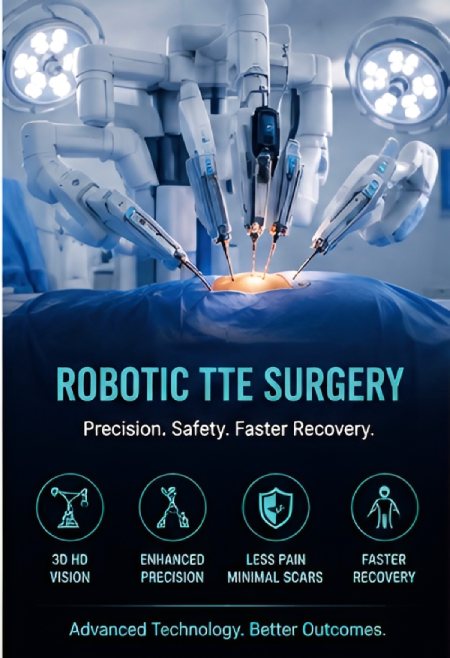
Risk Factors
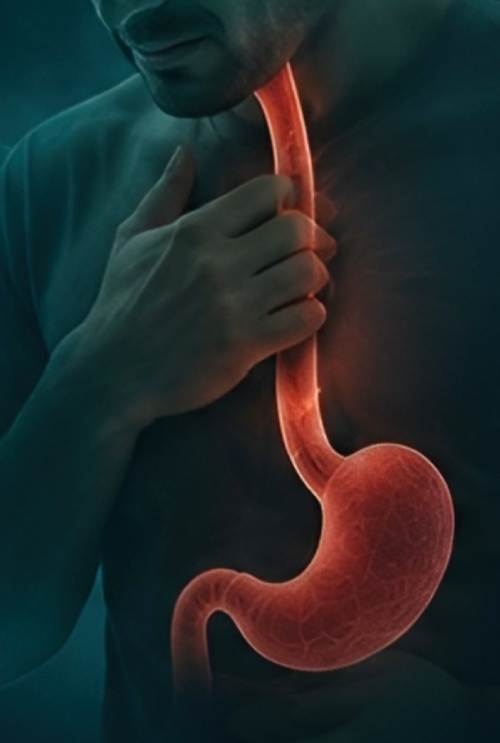
Esophageal cancer symptoms
Other Symptoms
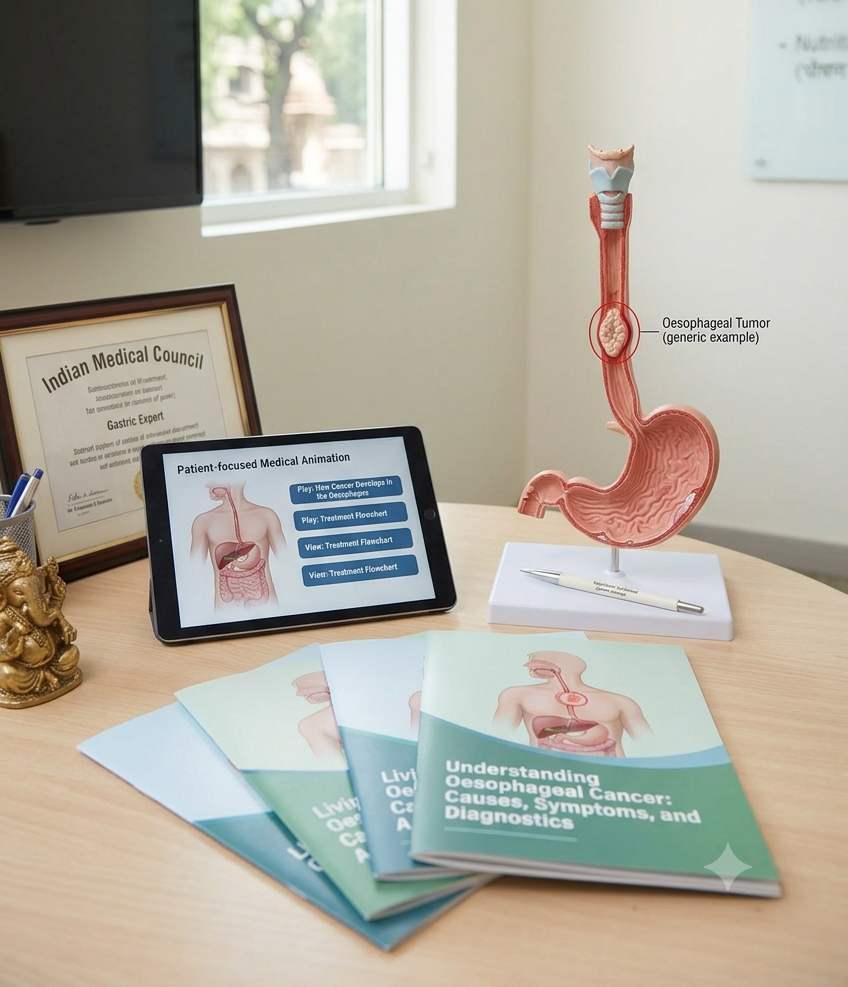

Diagnosis
Treatment
Esophageal cancer surgery is a primary treatment option for localized, esophageal cancer. The specific type of surgery depends on the cancer’s stage, location, and the patient’s overall health.
Here are the main surgical options
Esophagectomy
Esophagectomy is the most common surgical procedure for esophageal cancer. It involves removing part or all of the esophagus.
There are several types
Esophagogastrectomy
Lymph Node Removal

Recovery and Follow-up Care
Recovery after oesophageal cancer treatment extends beyond the completion of surgery or other therapies. Regular follow-up appointments, nutritional support, symptom monitoring, and ongoing medical guidance are important parts of the recovery process. Continued care helps patients manage their health with greater confidence while supporting long-term well-being and quality of life.