
It refers to cancers that develop in the female reproductive system.
These cancers affect different organs within the pelvic area, including the ovaries, uterus, cervix, vagina, and vulva.

Gynaecological cancers affect the female reproductive system and may involve the ovaries, uterus, cervix, fallopian tubes, vulva, or vagina. Early diagnosis and appropriate treatment play an important role in improving outcomes and supporting long-term recovery. Patients often seek specialised care to better understand their diagnosis and explore the most suitable treatment options.

Women searching for a Gynaecological Cancer Specialist in Pune often look for personalised treatment planning, advanced surgical expertise, and compassionate support throughout their treatment journey. Every treatment plan should be tailored to the individual needs of the patient and the specific type of cancer being treated.
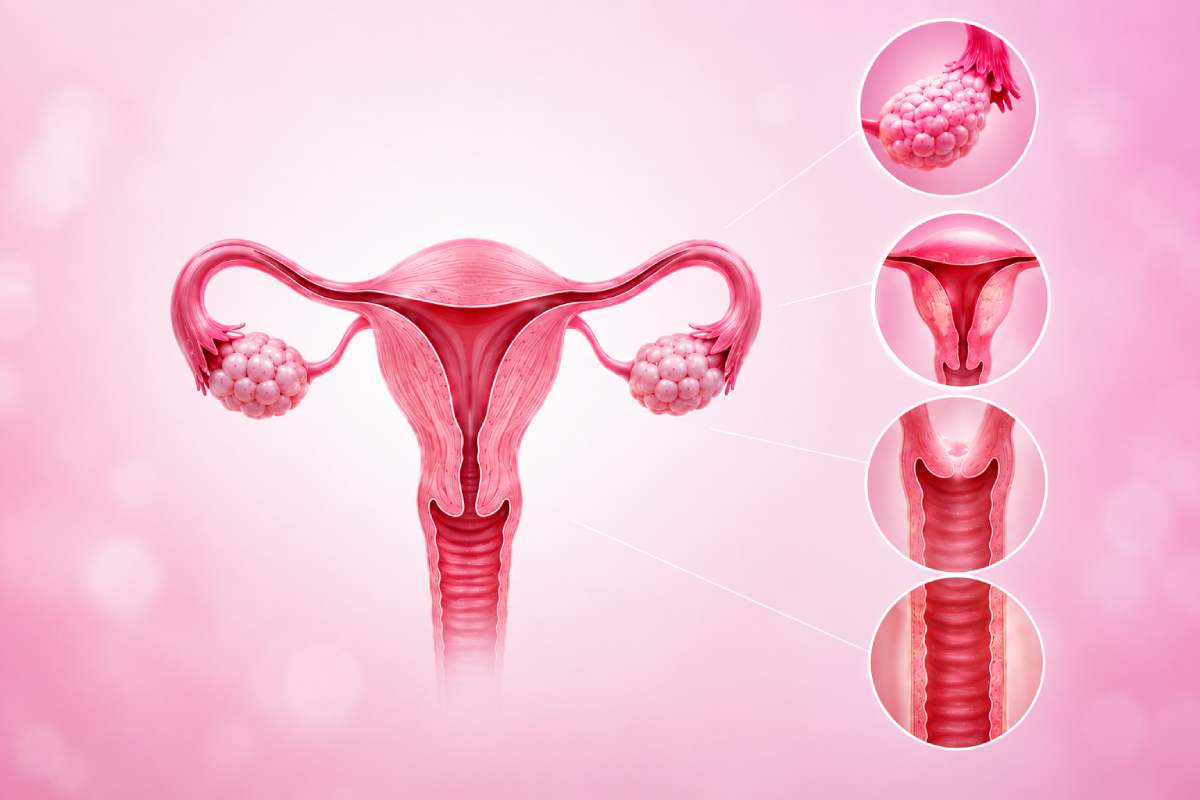
Types Of Gynaecological Cancer

Gynaecological cancers can affect different parts of the female reproductive system. Common types include

  • Epithelial Ovarian Cancer: The most common type, originating in the surface layer of the ovary.
  • Germ Cell Tumors: Arise from the cells that produce eggs; more common in younger women.
  • Stromal Tumors: Develop from the connective tissue cells that hold the ovary together and produce hormones.
  • Endometrial Carcinoma: The most common type, developing in the lining of the uterus (endometrium).

  • Uterine Sarcoma: A rarer type that forms in the muscle or other tissues of the uterus.

  • Squamous Cell Carcinoma: The most common type, originating in the squamous cells that line the outer part of the cervix.

  • Adenocarcinoma: Develops in the glandular cells of the cervix.

  • Squamous Cell Carcinoma: The most common type, affecting the lining of the vagina.

  • Adenocarcinoma: Less common, arising from the glandular cells of the vaginal lining.

  • Squamous Cell Carcinoma: The most common type, starting in the squamous cells of the vulva.

  • Melanoma: A rarer type, affecting the pigment-producing cells in the vulva.

  • A rare cancer that occurs in the fallopian tubes, often associated with high-grade serous ovarian cancer.

Patients diagnosed with ovarian cancer often benefit from early specialist evaluation and treatment planning. Many women seeking the best ovarian cancer specialist in Pune look for expert guidance, advanced surgical care, and long-term follow-up support.

Risk Factors

Age

Most gynecological cancers are more common in postmenopausal women, although younger women can also be affected.

Human Papillomavirus (HPV) Infection

Strongly associated with cervical cancer and some vaginal and vulvar cancers.

Family History and Genetics

BRCA1 and BRCA2 gene mutations increase the risk of ovarian and breast cancers. Lynch syndrome increases the risk of endometrial and ovarian cancers.

Hormonal
Factors

Prolonged exposure to estrogen, either naturally or through hormone replacement therapy, increases the risk of endometrial cancer.

Obesity

Linked to higher risks of endometrial and ovarian cancers.

Reproductive History

Women who have not had children or had their first child after age 30 have a higher risk of ovarian cancer.

Immunosuppression

Weakened immune system (e.g., from HIV/AIDS) increases the risk of cervical cancer.

Expert care from a Gynaecological Cancer Specialist in Pune for personalised cancer treatment and surgical care.

Symptoms

It varies depending on the type and stage of cancer, but may include

  • Abnormal Vaginal Bleeding: This can be a symptom of endometrial, cervical, vaginal, or vulvar cancer, especially postmenopausal bleeding.

  • Pelvic Pain or Discomfort: Persistent pain in the lower abdomen or pelvic area.

  • Unusual Vaginal Discharge: That is watery, bloody, or foul-smelling.

  • Pain During Intercourse: Can be a symptom of cervical, vaginal, or vulvar cancer.

  • Changes in Urination or Bowel Habits: For advanced-stage cancers, such as ovarian cancer.

  • Visible Lumps or Sores: In the vulva or unusual changes in the skin color or thickness.

  • Bloating or Abdominal Swelling: Common in ovarian cancer.

Women experiencing ongoing symptoms often consult a Gynaecological Cancer Specialist in Pune for timely diagnosis and appropriate treatment guidance.
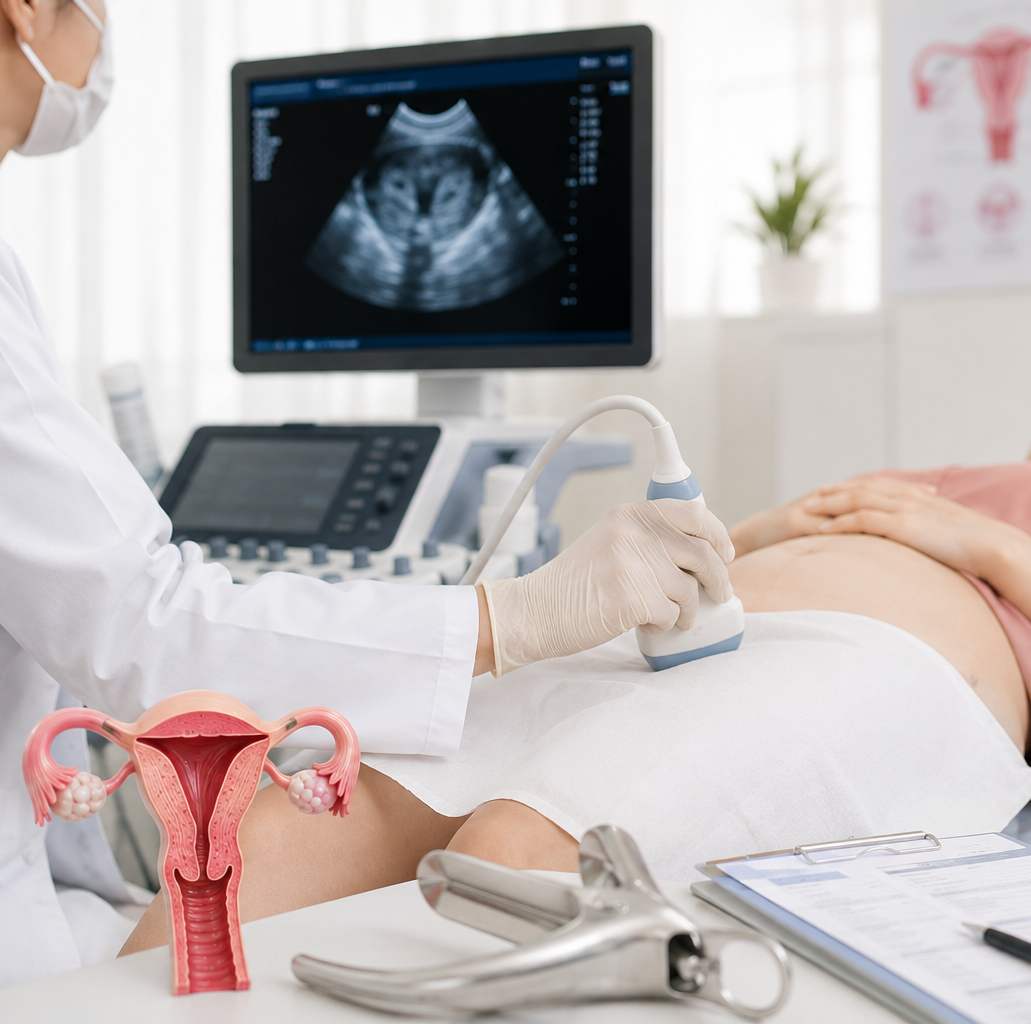
Diagnosis Of
Gynaecological Cancer

It typically involves

  • Pelvic Examination: To check for abnormal growths or changes in the reproductive organs.

  • Pap Smear and HPV Testing: Screening tests for cervical cancer.

  • Transvaginal Ultrasound: To visualize the uterus, ovaries, and surrounding structures.

  • Endometrial Biopsy: Taking a sample of the uterine lining to check for cancer cells.

  • Imaging Tests: CT scans, MRIs, or PET scans to detect tumors and assess the spread of cancer.

  • Blood Tests: CA-125 is a marker often elevated in ovarian cancer.

  • Colposcopy: A magnified visual inspection of the cervix, vagina, and vulva for abnormal areas.

  • Biopsy: Taking a tissue sample from the suspected area for microscopic examination.

Women experiencing ongoing symptoms often consult a Gynaecological Cancer Specialist in Pune for timely diagnosis and appropriate treatment guidance.

Treatment Of Gynaecological Cancer

Treatment planning depends on factors such as the type of cancer, stage of disease, overall health condition, and treatment goals. A Gynaecological Cancer Specialist in Pune may recommend surgery, chemotherapy, targeted therapy, radiation therapy, or a combination of treatments based on individual patient needs.

Surgery remains the mainstay of treatment for most of the Early diagnosed Gynecological Cancers.

Laparoscopic Radical Hysterectomy(LRH)

Removal of the uterus, often performed for uterine and cervical cancers.

Laparoscopic Bilateral Oophorectomy

Removal of the ovaries, often performed in cases of ovarian cancer.

Laparoscopic Salpingo-Oophorectomy

Removal of the ovaries and fallopian tubes, especially in high-risk cases.

Vulvectomy

Removal of part or all of the vulva for vulvar cancer.

Laparoscopic Bilateral Pelvic Lymph Node (BPLND) Dissection

To check if cancer has spread to the lymph nodes.

Laparoscopic Omentectomy, Appendicectomy, Subdiphragmatic stripping, Peritonectomy in Advance Ovarian Cancer
Endoscopic Inguinal Block Dissection in Vulval or Vaginal Cancers

In Locally Advance Cases
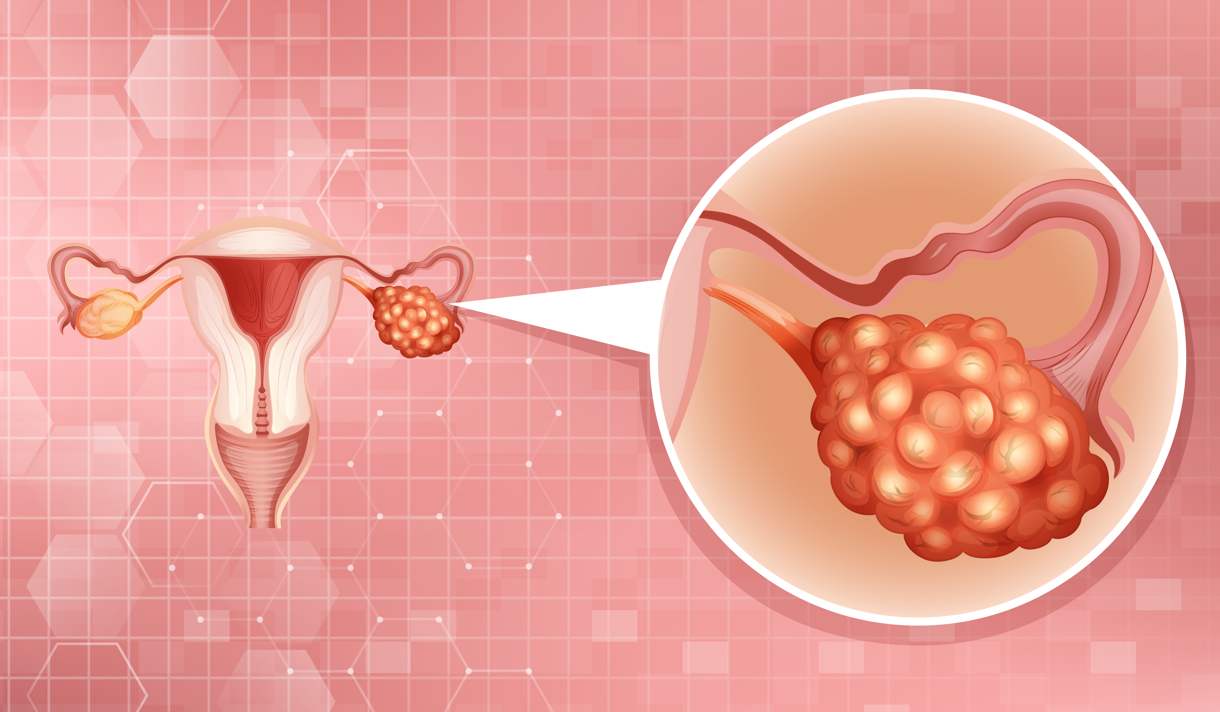
Anterior Exenteration

removal of bladder, vagina, cervix, and uterus in patients whom disease is limited to the cervix and anterior portion of upper vagina.

Posterior Exenteration

removal of rectum, vagina, cervix, and uterus rarely performed for recurrent cervical cancer.

Radiation Therapy

High-energy rays used to kill cancer cells or shrink tumors.

Chemotherapy

Systemic or localized drugs used to kill cancer cells, often used for ovarian, uterine, and advanced-stage cancers.

Targeted Therapy

Drugs that specifically target cancer cell growth mechanisms, such as PARP inhibitors for ovarian cancer.

Immunotherapy

Boosting the body’s immune system to fight cancer, used in certain cases of cervical cancer.

Hormone Therapy

Used in certain types of endometrial and ovarian cancers that are hormone-sensitive.

Personalised Care For
Ovarian Cancer

Ovarian cancer often develops with subtle symptoms that may be difficult to recognise during the early stages. Timely evaluation and specialist care are important for accurate diagnosis and treatment planning.

Patients looking for the best ovarian cancer specialist in Pune often seek comprehensive care that includes advanced surgical treatment, ongoing monitoring, and long-term recovery support tailored to their condition.

Recovery And Follow-Up Care

Recovery continues beyond active treatment and may include regular follow-up appointments, nutritional guidance, symptom monitoring, and supportive care. Patients consulting a Gynaecological Cancer Specialist in Pune often value continued communication and personalised follow-up throughout their recovery journey.

Consult the best ovarian cancer specialist in Pune for advanced diagnosis and treatment planning.

Frequently Asked Questions

Patients should consult a Gynaecological Cancer Specialist in Pune if they experience symptoms such as abnormal vaginal bleeding, persistent pelvic pain, bloating, unexplained weight loss, or changes in urinary habits. Early medical evaluation can help identify the cause of symptoms and support timely treatment planning.
A Gynaecological Cancer Specialist in Pune treats cancers affecting the female reproductive system, including ovarian cancer, cervical cancer, uterine cancer, vaginal cancer, vulvar cancer, and fallopian tube cancer. Treatment recommendations are based on the type and stage of the disease.
The best ovarian cancer specialist in Pune can help evaluate the stage of the disease, explain available treatment options, and create a personalised treatment plan based on the patient’s condition. Early specialist involvement can also support informed decision-making and improve overall treatment management.
Treatment may include surgery, chemotherapy, radiation therapy, targeted therapy, or a combination of treatments depending on the cancer type and stage. The treatment approach is usually tailored to the individual needs and health condition of the patient.
Early diagnosis can help identify cancer before it progresses to a more advanced stage. Timely treatment planning may improve recovery outcomes, expand available treatment options, and support better long-term health and quality of life.