
Gastrointestinal cancers can affect the stomach, colon, rectum, liver, pancreas, oesophagus, and other digestive organs. Patients seeking expert care for stomach cancer often prioritise early diagnosis, precise surgical assessment, and personalised treatment planning. A comprehensive treatment approach tailored to each patient’s condition can help improve recovery outcomes, enhance quality of life, and support long-term cancer care.
It is a group of cancers that affect the digestive system. These cancers can develop in any part of the digestive tract, which includes organs such as the esophagus, stomach, small intestine, large intestine (colon), rectum, and anus.
Dr. Kshitij Manerikar specialises in gastrointestinal cancers, including stomach, pancreatic, and oesophageal cancers. Recognised as the best stomach cancer doctor in Pune by many patients, he provides advanced, personalised treatment with a focus on achieving the best possible outcomes and long-term care.
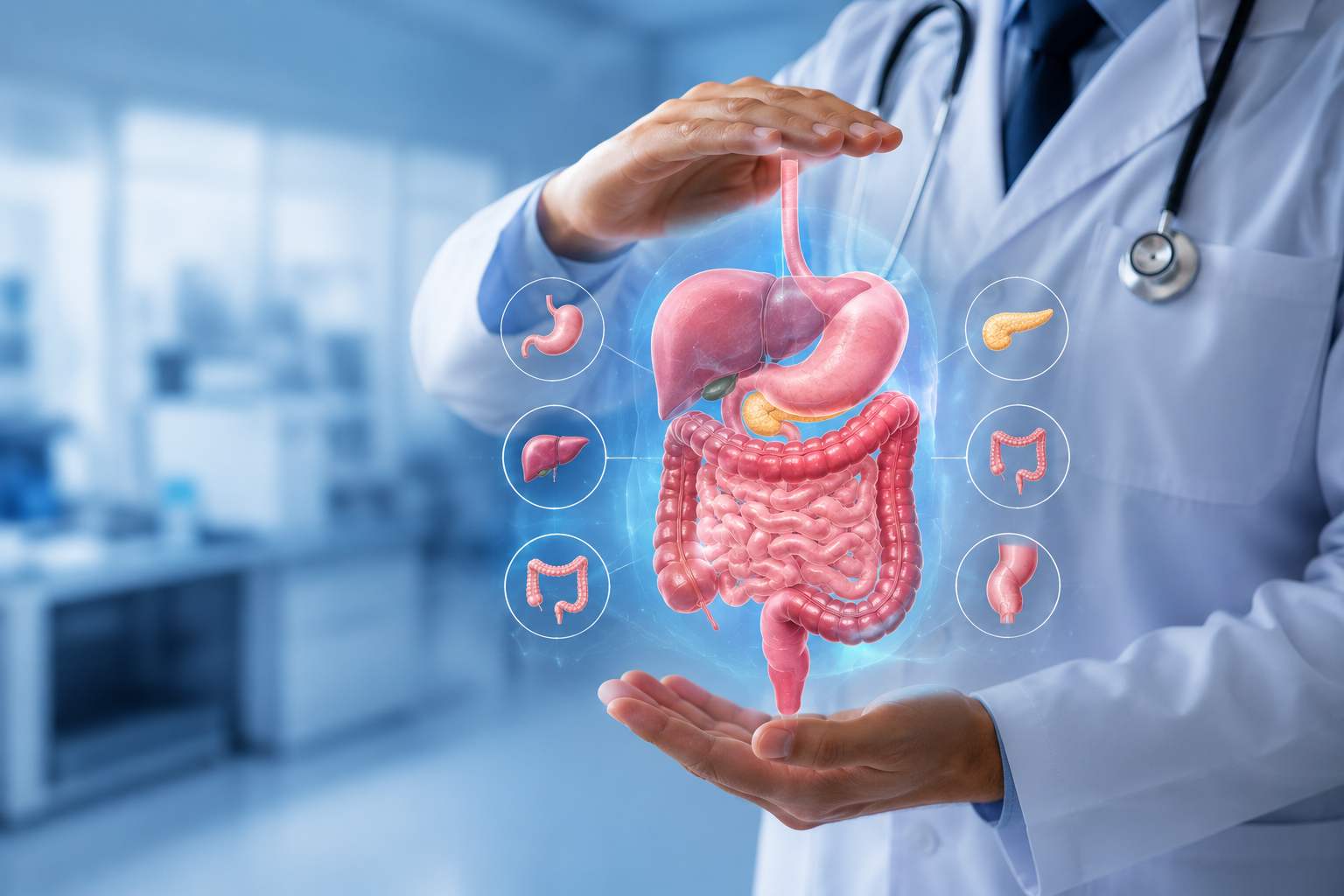
Types of
Gastrointestinal Cancer
Risk Factors






Patients searching for a gastrointestinal cancer surgeon in Pune often look for advanced surgical expertise, accurate diagnosis, and personalised treatment planning for complex digestive system cancers.

Symptoms
It varies depending on the type and stage of the cancer but may include
Early medical consultation may help patients receive timely diagnosis and more effective treatment planning before the condition progresses further.
Diagnosis
It often involves a combination of



Many patients consulting the best stomach cancer doctor seek early diagnosis and structured treatment guidance to better understand available surgical and oncology care options.
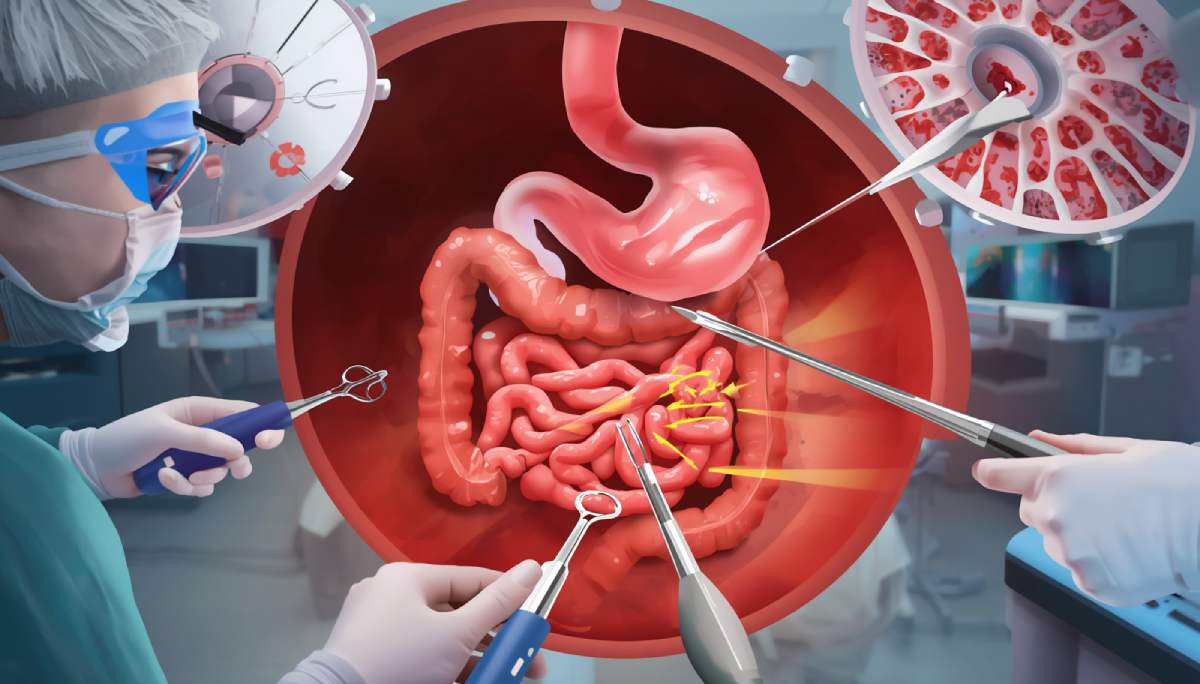
Advanced Surgical Treatment for GI Cancers
Treatment for gastrointestinal cancers may involve minimally invasive surgery, tumour removal procedures, laparoscopic techniques, reconstruction surgery, and multidisciplinary oncology care depending on the stage and location of the cancer. Surgical planning is usually tailored according to the patient’s diagnosis, overall health condition, and recovery goals.
Esophageal cancer surgery is a primary treatment option for localized esophageal cancer. The specific type of surgery depends on the cancer’s stage, location, and the patient’s overall health.
Surgery
To remove the tumor remains the Treatment of Choice in most of the Gastrointestinal Cancers.
With Latest Technology of Minimal Invasive Surgery we operate almost 99% of Gastrointestinal Cancers with Laparoscopic Surgery.
Patients searching for a gastrointestinal cancer surgeon in Pune often prefer treatment approaches focused on surgical precision, faster recovery, and long-term quality of life after treatment.
Depending on the affected Cancers we can do
Minimal Invasive Surgery aids the benefits of Early Recovery, less post surgical Morbidity and better cosmetic appearance with Oncological clearance
Personalised Recovery and Follow-Up Care
Recovery after gastrointestinal cancer treatment may require regular follow-up care, nutritional guidance, symptom monitoring, and long-term medical support. Consistent follow-up helps patients better manage recovery while improving confidence throughout the treatment journey.

Personalised treatment guidance from the best stomach cancer doctor.
Choosing the right gastrointestinal cancer surgeon in Pune can make a meaningful difference in diagnosis, treatment planning, and recovery outcomes. Timely consultation and personalised oncology care may help patients make informed treatment decisions with greater confidence.