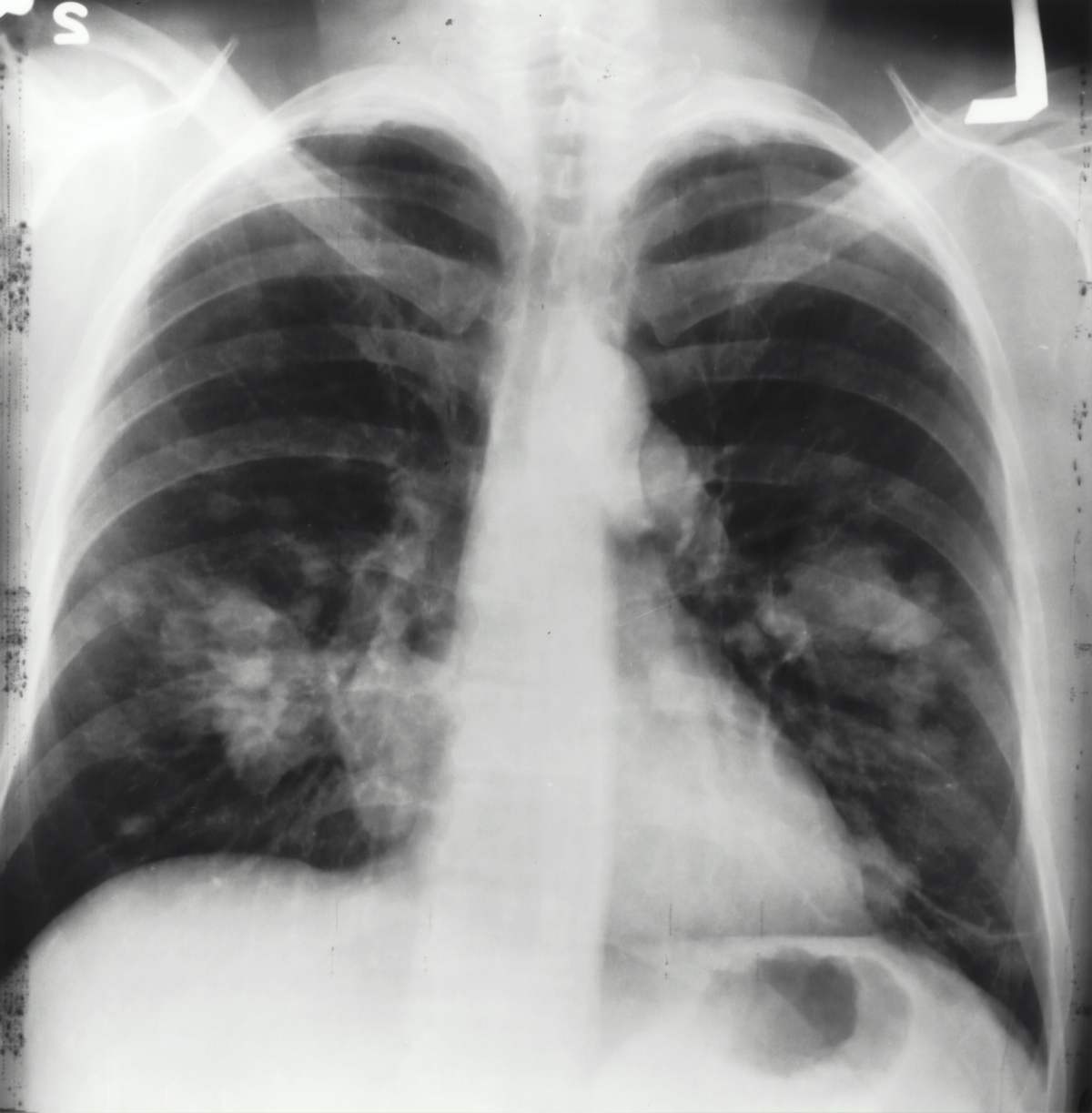
Patients searching for the best lung cancer specialist in Pune often look for accurate diagnosis, advanced treatment planning, and personalised oncology care tailored to their condition. Lung cancer treatment may involve careful evaluation, timely medical intervention, and structured recovery support designed to improve overall treatment outcomes and patient confidence.

It is a significant health issue worldwide

Increasing Rate

Lung cancer incidence has been on the rise in India due to factors like urbanization, industrialization, and lifestyle changes.

High Mortality

It is among the leading causes of cancer-related deaths in India, particularly among men.

Gender Disparity

Lung cancer is more common among men than women in India, largely due to higher rates of tobacco smoking among men.

Types Of Lung Cancer

Lung cancer is broadly classified into two main types:
Non-Small Cell Lung Cancer (NSCLC) and Small Cell Lung Cancer (SCLC). NSCLC is the more common type and includes Adenocarcinoma, which is frequently seen in non-smokers and women and usually develops in the outer regions of the lungs; Squamous Cell Carcinoma, which is often associated with smoking and typically arises in the larger airways; and Large Cell Carcinoma, a less common but aggressive form that can occur in different parts of the lungs. Small Cell Lung Cancer (SCLC) is strongly linked to heavy smoking, tends to grow rapidly, and is more likely to spread to other parts of the body at an early stage.
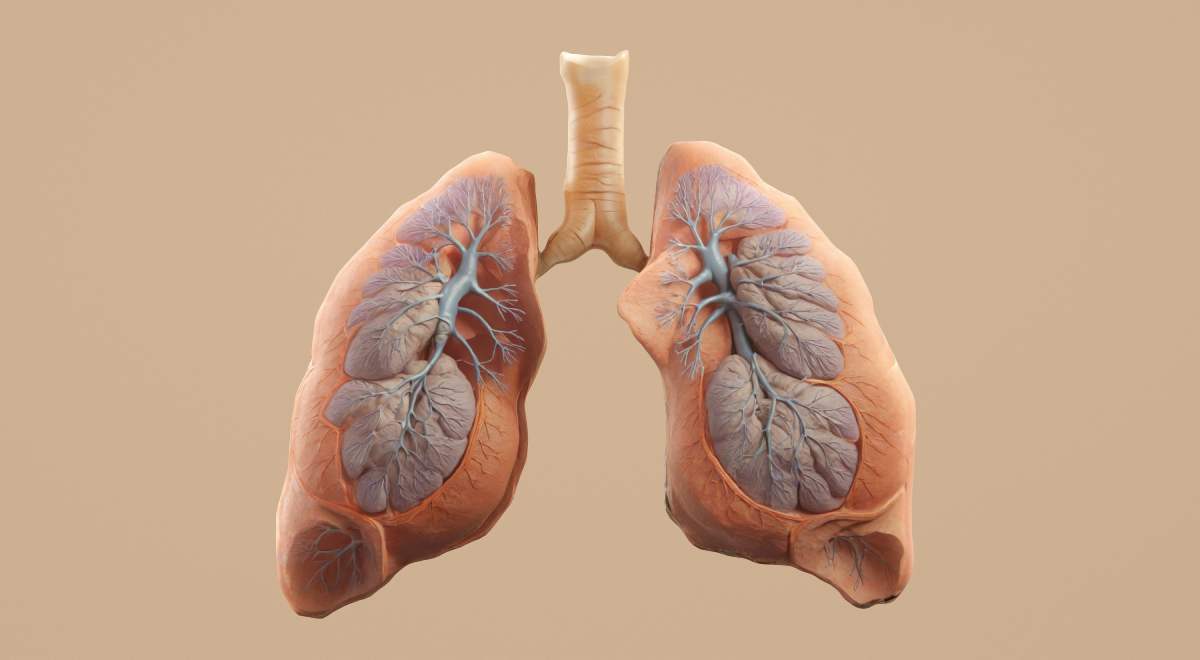
Risk Factors

Early consultation with the best lung cancer specialist in Pune may help patients better understand their condition and available treatment options.


Tobacco Smoking

The primary risk factor for lung cancer worldwide and in India. Both active and passive smoking increase the risk significantly.

Air Pollution

India’s high levels of air pollution, particularly in urban areas, contribute to lung cancer risk. Exposure to pollutants like particulate matter, sulfur dioxide, and nitrogen dioxide is linked to the disease.

Occupational Hazards

Exposure to carcinogens such as asbestos, arsenic, radon, and certain industrial chemicals in workplaces increases the risk of lung cancer.

Indoor Air Pollution

Cooking and heating with solid fuels like wood, coal, or biomass in poorly ventilated indoor spaces can expose individuals to carcinogens and increase lung cancer risk.

Occupational Hazards

Certain genetic predispositions and family history of lung cancer can elevate an individual’s risk.

Lung Cancer Diagnosis and Treatment

Patients searching for the best lung cancer specialist in Pune often look for timely diagnosis, advanced treatment planning, and personalised oncology care. Early evaluation of persistent respiratory symptoms can help support accurate diagnosis and treatment decisions.

  • It typically involves imaging tests like CT scans, PET scans, and biopsies( CT guided or Thoracoscopic).
  • Treatment options depend on the stage and type of cancer and it includes surgery, chemotherapy, radiation therapy, immunotherapy, or targeted therapy.
  • Surgery remains the one of main treatment option for yearly Lung Cancer.
  • It includes removing the tumor only from normal Lung tissue or Lobectomy or in some cases removing the whole Lung (Pneumonectomy).
  • Thoracoscopic surgery, also known as video-assisted thoracoscopic surgery (VATS), is a minimally invasive approach that uses small incisions and a tiny camera to guide the surgeon. Compared to traditional open surgery, VATS often results in shorter hospital stays, less pain, and quicker recovery times.
  • During VATS, we make small incisions between the ribs and inserts a thoracoscope, allowing us to see inside the chest cavity.This approach can be used for various lung cancer procedures, including lobectomy (removal of a lobe of the lung), wedge resection (removing a small portion of the lung), or lymph node biopsy.

Looking for an experienced oral cancer specialist in Pune?
Consult Dr Kshitij Manerikar for advanced cancer care.

Role of Indocyanine green (ICG) in Thoracoscopic lung surgery

Indocyanine Green (ICG) technology plays an important role in thoracoscopic lung surgery by helping surgeons identify lung segments, blood supply, and tumour boundaries with greater precision during minimally invasive procedures. Patients consulting the best lung cancer specialist in Pune may benefit from advanced surgical techniques such as ICG-guided thoracoscopic surgery for improved surgical accuracy and better recovery support.

Enhanced Visualization

Perfusion Assessment: ICG is used to assess lung perfusion during surgery. After intravenous injection, ICG binds to plasma proteins and emits fluorescence when illuminated with near-infrared light. This helps surgeons visualize the vascular and perfusion status of lung tissues, ensuring adequate blood supply to the remaining lung after resection.

Segmental Resection: For segmentectomy, ICG helps delineate the intersegmental plane. By injecting ICG into the pulmonary artery supplying the segment to be preserved, the boundary between the fluorescent and non-fluorescent areas marks the resection plane, allowing precise and limited removal of lung tissue.

Tumor Localization

Intraoperative Navigation: Preoperative injection of ICG around the tumor can help localize small or deep-seated lesions that are difficult to palpate or visualize during surgery. This technique enhances the accuracy of tumor resection and helps ensure complete removal of the malignancy.

Patients consulting the best lung cancer specialist in Pune are often advised to undergo imaging and biopsy investigations for detailed cancer evaluation.

Identification of Lymph Nodes in Lung Cancer

Accurate identification and assessment of lymph nodes play an important role in determining the stage of lung cancer and planning appropriate treatment. The best lung cancer specialist in Pune may use advanced diagnostic and surgical techniques to evaluate lymph node involvement, helping guide treatment decisions and improve overall patient outcomes.

Sentinel Lymph Node Mapping

  • Detection: ICG is used for sentinel lymph node mapping in lung cancer. By injecting ICG near the tumor or in the pleural space, the lymphatic drainage can be visualized, highlighting sentinel lymph nodes that are the first to receive metastatic cells.
  • Guided Biopsy: Fluorescent guidance helps identify and biopsy these sentinel nodes, enabling more accurate staging and potentially reducing the extent of lymph node dissection required.

Improved Staging

  • Accurate Staging: ICG fluorescence helps in the precise identification and biopsy of lymph nodes, leading to more accurate staging of lung cancer. Accurate staging is crucial for determining the appropriate treatment plan and prognosis.

Reduced Morbidity

  • Selective Dissection: By targeting only the fluorescent lymph nodes, surgeons can perform more selective and less extensive lymph node dissections. This reduces surgical morbidity and preserves more normal tissue, improving postoperative recovery and outcomes.

Advanced technologies such as Indocyanine Green (ICG) fluorescence imaging also help improve surgical precision during thoracoscopic lung surgery by enabling better lymph node identification and more accurate cancer staging. The best lung cancer specialist in Pune may use advanced imaging-guided surgical techniques to support precise treatment planning, targeted procedures, and improved surgical outcomes.
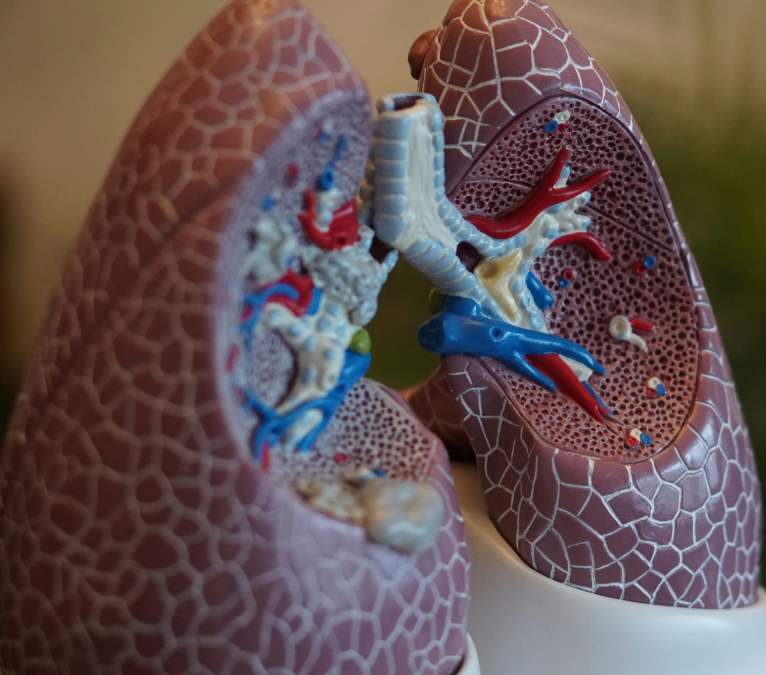
Benefits

  • Non-Radioactive: ICG is a non-radioactive, safe dye with a favorable safety profile. It is generally well-tolerated with a low incidence of allergic reactions.
  • Real-Time Imaging: The use of ICG provides real-time feedback during surgery, enhancing the surgeon’s ability to make informed decisions intraoperatively.
  • Technological Requirements: The use of ICG requires specialized near-infrared fluorescence imaging systems, which might increase the cost and complexity of the surgical setup.
  • Learning Curve: Surgeons need training to interpret fluorescence images correctly and to integrate this technology effectively into their surgical workflow.

Overall, ICG fluorescence imaging represents a significant advancement in thoracoscopic lung surgery and lymph node identification, improving the precision and outcomes of lung cancer surgeries.

Get Expert Care from a Trusted Lung Cancer Specialist in Pune

Choosing the best lung cancer specialist in Pune can make a meaningful difference in treatment planning, recovery support, and overall patient confidence. Early medical consultation may help patients explore suitable treatment options with greater clarity and timely care.

Frequently Asked Questions

Patients should consult the best lung cancer specialist in Pune if they experience symptoms such as persistent cough, chest pain, shortness of breath, coughing up blood, or unexplained weight loss. Early diagnosis may help improve treatment planning and recovery outcomes.

Treatment for lung cancer may include surgery, minimally invasive thoracic procedures, targeted treatment planning, and multidisciplinary oncology care. The treatment approach usually depends on the stage and type of lung cancer diagnosed.

Early diagnosis helps doctors evaluate the condition more accurately and plan suitable treatment options before the disease progresses further. Timely medical attention may also improve overall recovery and treatment outcomes.

Surgical oncology treatment may help remove cancerous tissue, reduce disease progression, and improve long-term recovery in selected cases. Treatment planning is usually personalised according to the patient’s diagnosis and overall health condition.