
Head and neck cancer encompasses a range of cancers that develop in the mouth, throat, larynx (voice box), nasal cavity, or sinuses, thyroid, parathyroid and submandibular glands.
Patients searching for an oral cancer specialist in Pune often look for timely diagnosis, advanced surgical expertise, and personalised treatment guidance. Head and neck cancers may affect the mouth, tongue, throat, voice box, salivary glands, or surrounding tissues, making early medical evaluation important for accurate diagnosis, effective treatment planning, and long-term recovery outcomes.
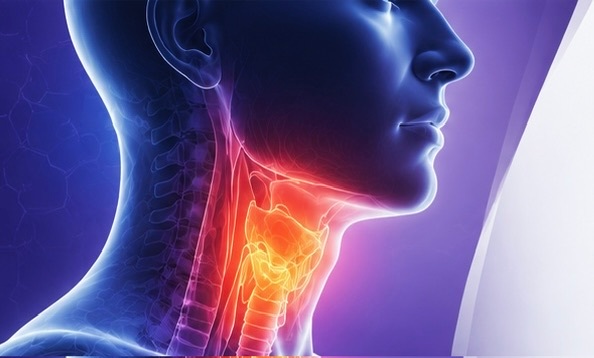
Types of Head and
Neck Cancer
Many patients consulting a head and neck cancer specialist in Pune seek timely medical evaluation for persistent symptoms such as difficulty swallowing, voice changes, neck swelling, or non-healing mouth ulcers that may require further cancer assessment.
Risk Factors







Symptoms
It varies depending on the type and stage of the cancer but may include
Persistent mouth ulcers, difficulty swallowing, voice changes, neck swelling, unexplained bleeding, or white and red patches inside the mouth should never be ignored. Consulting a head and neck cancer specialist in Pune early may help identify the condition before it progresses further and allow patients to explore suitable treatment options before the condition progresses further.
Treatment




Patients visiting an oral cancer specialist in Pune are often advised to undergo detailed clinical evaluation, biopsy testing, and imaging investigations for accurate diagnosis and treatment planning.
Treatment for oral and head and neck cancers often depends on the stage, tumour location, and overall health condition of the patient. A head and neck cancer surgeon in Pune may recommend surgery, reconstruction procedures, or multidisciplinary cancer care based on individual treatment requirements and long-term recovery goals.
Surgery
During surgery, the goal is to remove the cancerous tumor and some surrounding healthy tissue during an operation. Types of surgery for head and neck cancer include




The reconstruction ladder consists of the following steps starting from the simplest to the most complex option
Transoral endoscopic surgery (TOES)” for oral cancer is a minimally invasive surgical technique used to remove tumors located in the mouth and throat, It involves the use of an endoscope, which is inserted through the mouth to visualize and access the tumor.
TOES is primarily used for early-stage oral cancers, particularly those located in difficult-to-reach areas of the mouth and throat such as base of tongue,tonsils, epiglottis, parapharyngeal space tumors.
Patients consulting an oral cancer specialist in Pune often prefer treatment plans that focus on surgical precision, functional recovery, and long-term quality of life after treatment.
This Minimally invasive way of surgery reduces the need for large incisions and extensive tissue dissection, resulting in less trauma, shorter hospital stays, and faster recovery times, It aims to preserve surrounding healthy tissue and maintain important functions such as speech and swallowing.
Specialized instruments, such as graspers, scissors, or lasers, are used to dissect and remove the tumor while minimizing damage to nearby tissues. We carefully navigates around critical structures such as nerves and blood vessels to preserve function and minimize complications.
Overall, TOES offers several advantages over traditional open surgery for oral cancer, including reduced morbidity, improved functional outcomes, and better cosmetic results. However, not all patients are suitable candidates for TOES, and treatment decisions should be made based on individual patient factors and tumor characteristics.
Recovery after oral and head and neck cancer treatment requires regular follow-up care, nutritional support, and continuous monitoring. Many patients searching for a head and neck cancer specialist in Pune value clear communication, recovery guidance, and personalised support throughout every stage of treatment and rehabilitation.

Get Expert Care from a Trusted Head and Neck Cancer Surgeon in Pune
Choosing the right head and neck cancer surgeon in Pune can make a significant difference in treatment planning, recovery, and overall patient confidence. Early consultation and structured oncology care may help patients better understand their condition and make informed treatment decisions with greater clarity.